
Bitcoin mining guide
What is Bitcoin Mining?
Bitcoin mining is the proof-of-work process that orders transactions, protects the chain from rewrite attacks, and releases new bitcoin through block rewards.
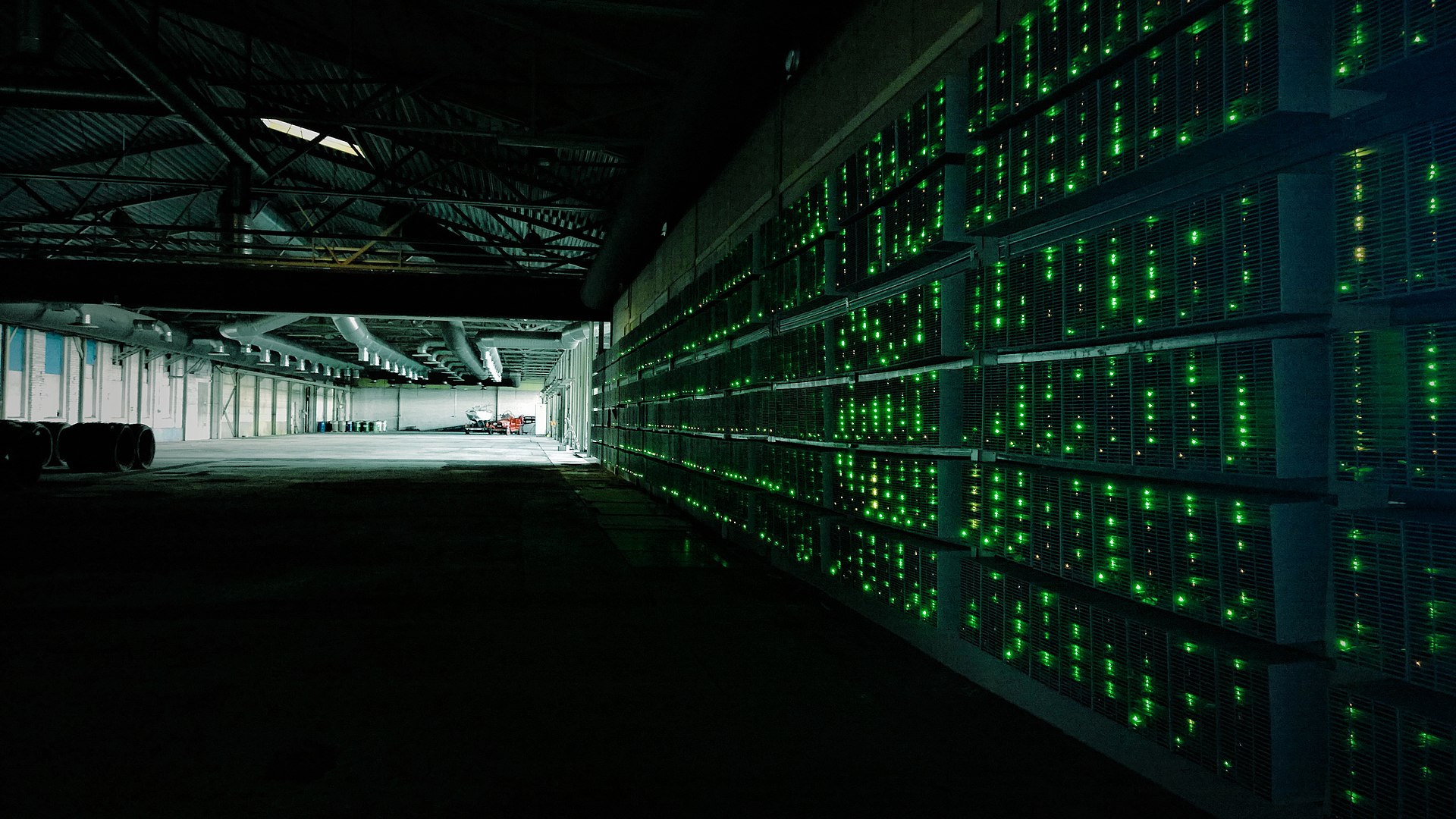
How mining works
A miner collects pending transactions into a candidate block, adds a nonce, and runs SHA-256 hashing until the block hash is below the network target. The first valid block is broadcast to nodes, which can verify the proof quickly.
Why mining matters
Proof of work makes historical changes expensive. An attacker would need to redo the work for a block and outpace the honest network, which is why hash rate and economic incentives are central to Bitcoin security.
Mining economics
Revenue depends on hash rate, network difficulty, uptime, energy cost, pool fees, hardware efficiency, bitcoin price, and transaction fee income. Difficulty regularly adjusts so blocks do not arrive too quickly or too slowly.
Pool vs hosted mining
Solo mining has high variance. Pools smooth revenue by sharing payouts among participants. Hosted or cloud mining removes hardware, cooling, noise, and facility-management work, but still needs clear contract terms and payout reporting.
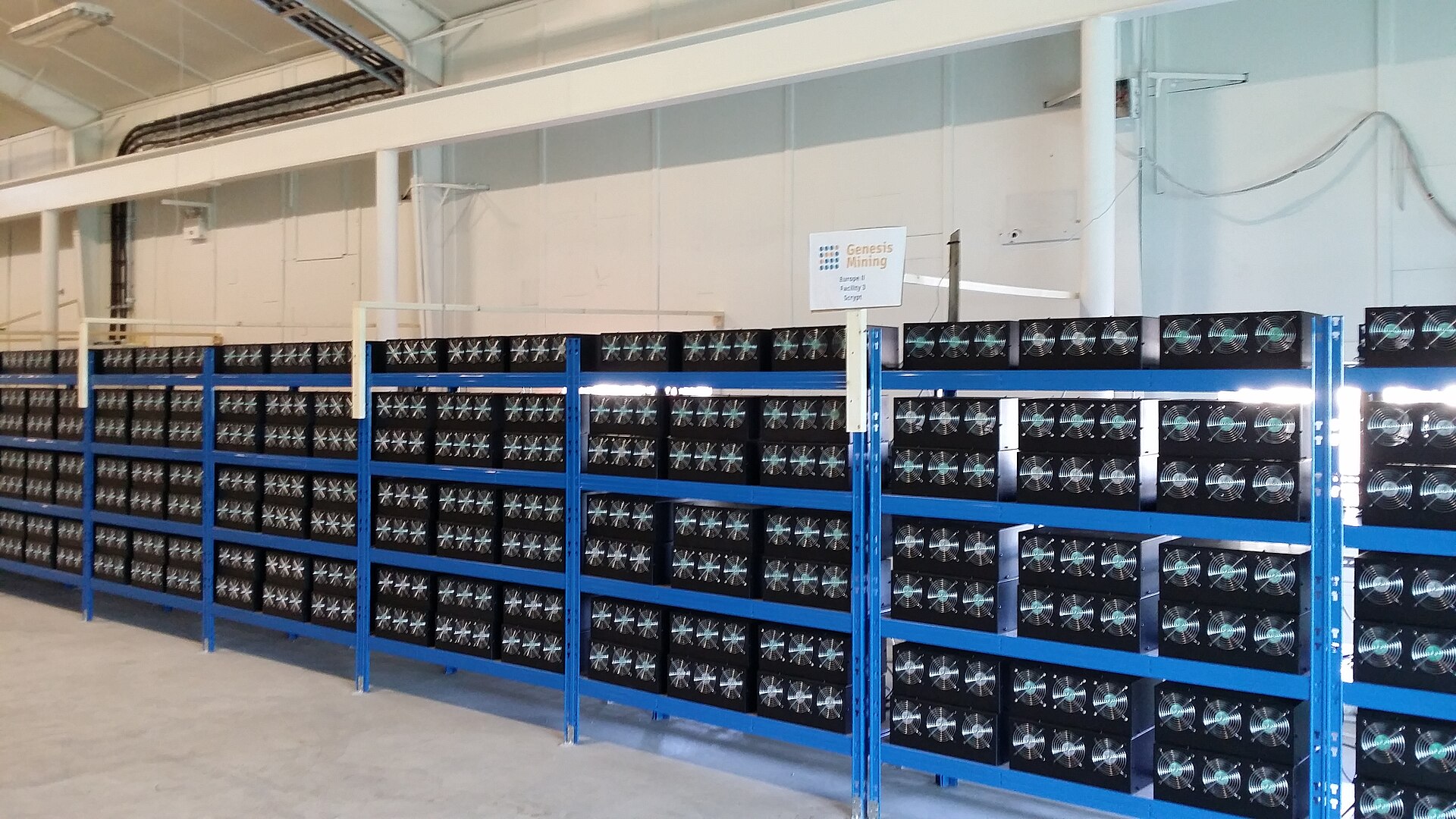
Before choosing a plan
- Confirm contract duration, hash-rate unit, and service start timing.
- Decide whether PacificHashing sets up the pool or you provide worker details.
- Review refund terms, expected yield assumptions, and payout cadence.
- Treat profitability calculators as scenarios, not guaranteed returns.